
To comprehensively strengthen the company's compliance management, enhance its level of compliant operation and management, and further implement and refine compliance risk prevention and control measures across all job positions, Jiaxuan Logistics held a company-wide compliance training session at its Shanghai headquarters on May 26. Relevant personnel from various branches and project departments attended via video conference.
This training initiated discussions on the necessity and importance of corporate compliance development, and explored the conflict and integration of corporate compliance and development through practical case studies.
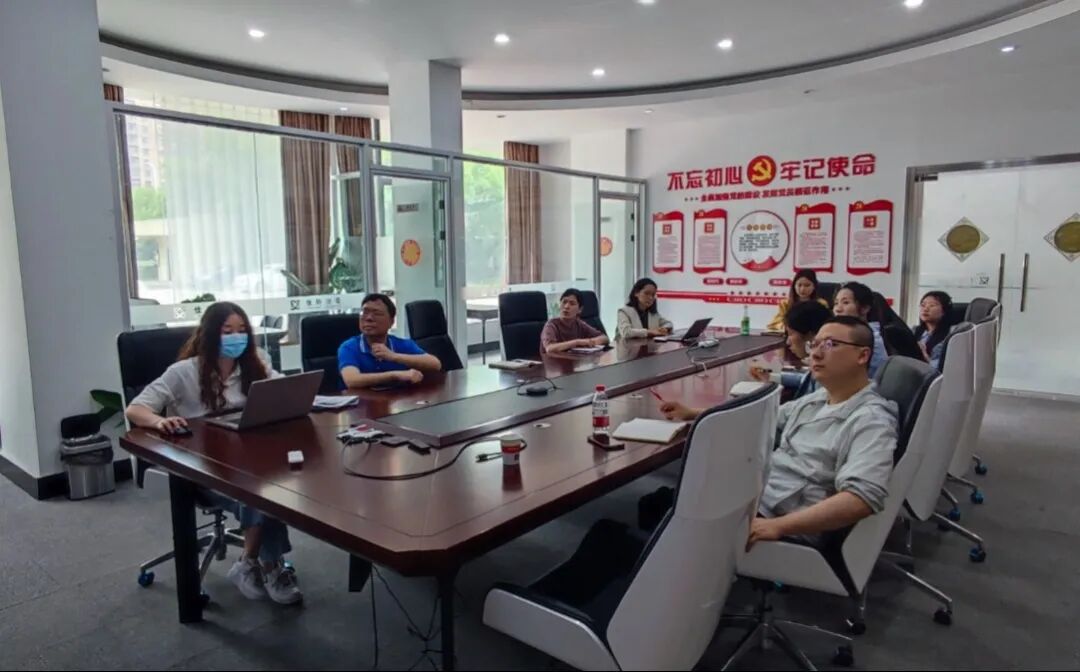
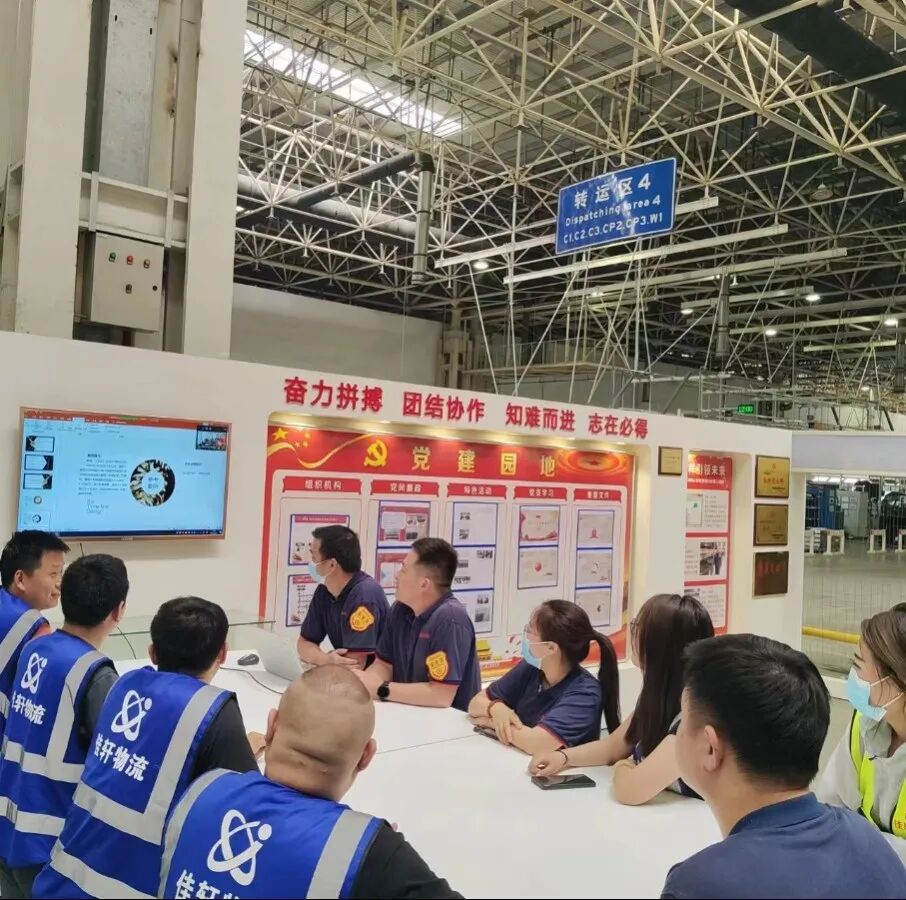
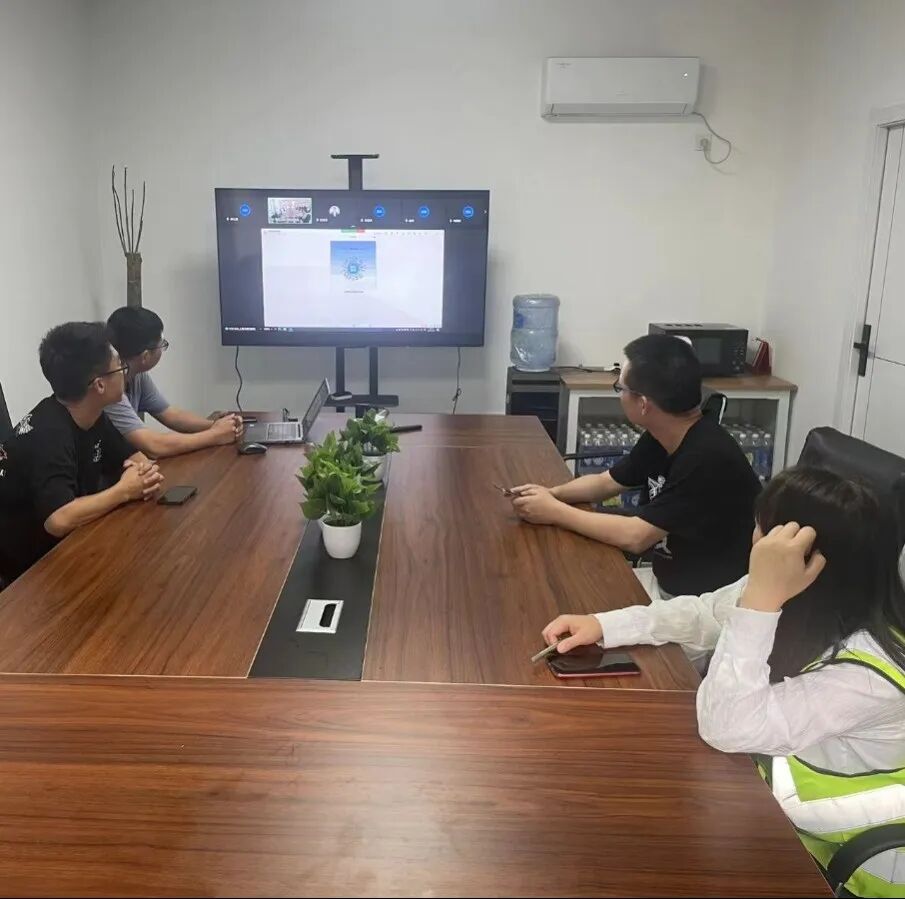
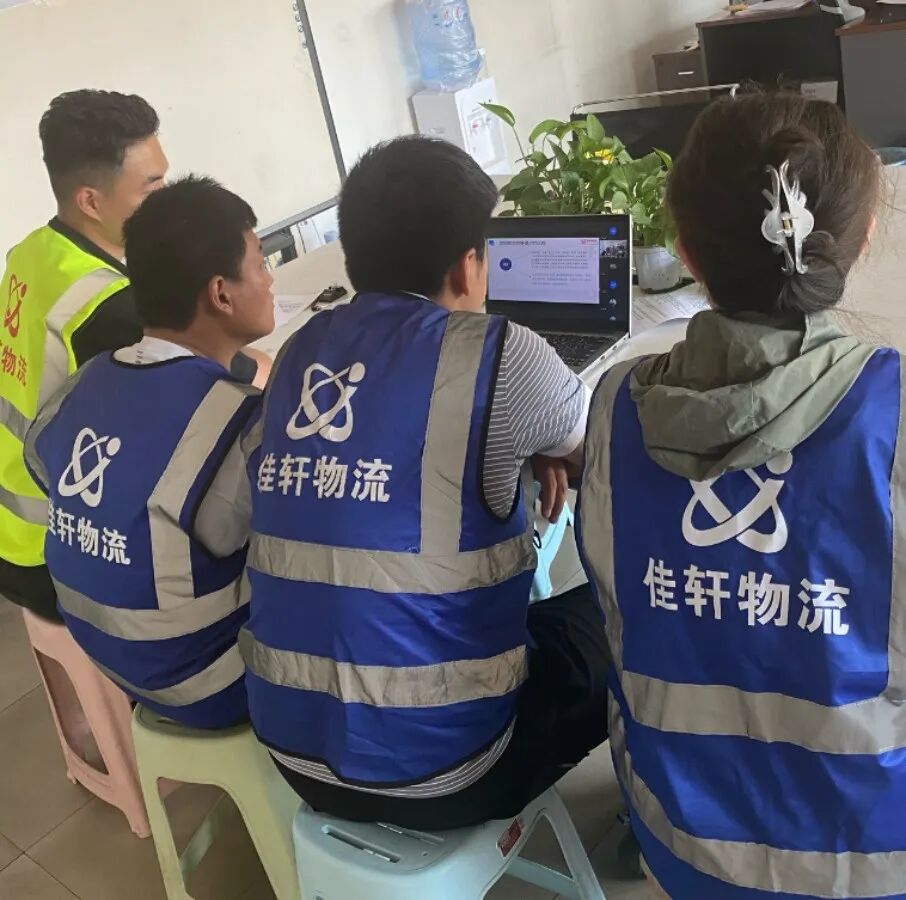
The Importance of Compliance Management
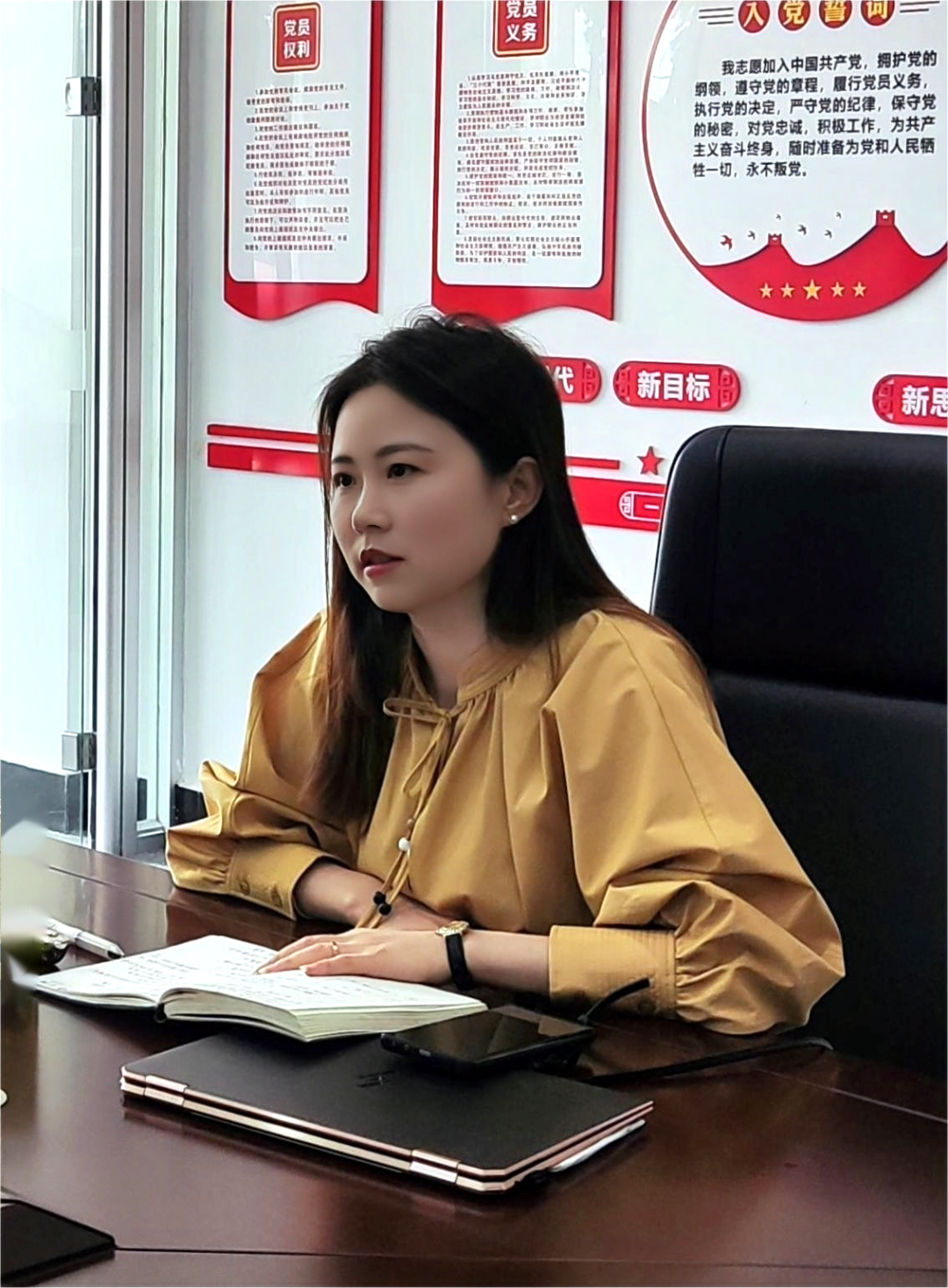
At the beginning of the training, Zhu Qilin, Deputy General Manager of Jiaxuan Logistics, solemnly conveyed Jiaxuan's core requirements for compliance management:
First, compliance management is the only path to governing enterprises by law, requiring high attention to compliance management work and its comprehensive strengthening;
Second, adhere to extending compliance requirements to all functional centers, all levels of management, and all employees, fostering a work philosophy where "everyone complies, everything complies."
Third, she called on every employee to abide by and uphold compliance management systems, fully participate in learning, and self-reflect.
Concurrently, she announced that moving forward, compliance training efforts would be intensified, training frequency increased, and diverse and varied training formats would be implemented for different business lines and specific personnel.
Compliance in Enterprise Management
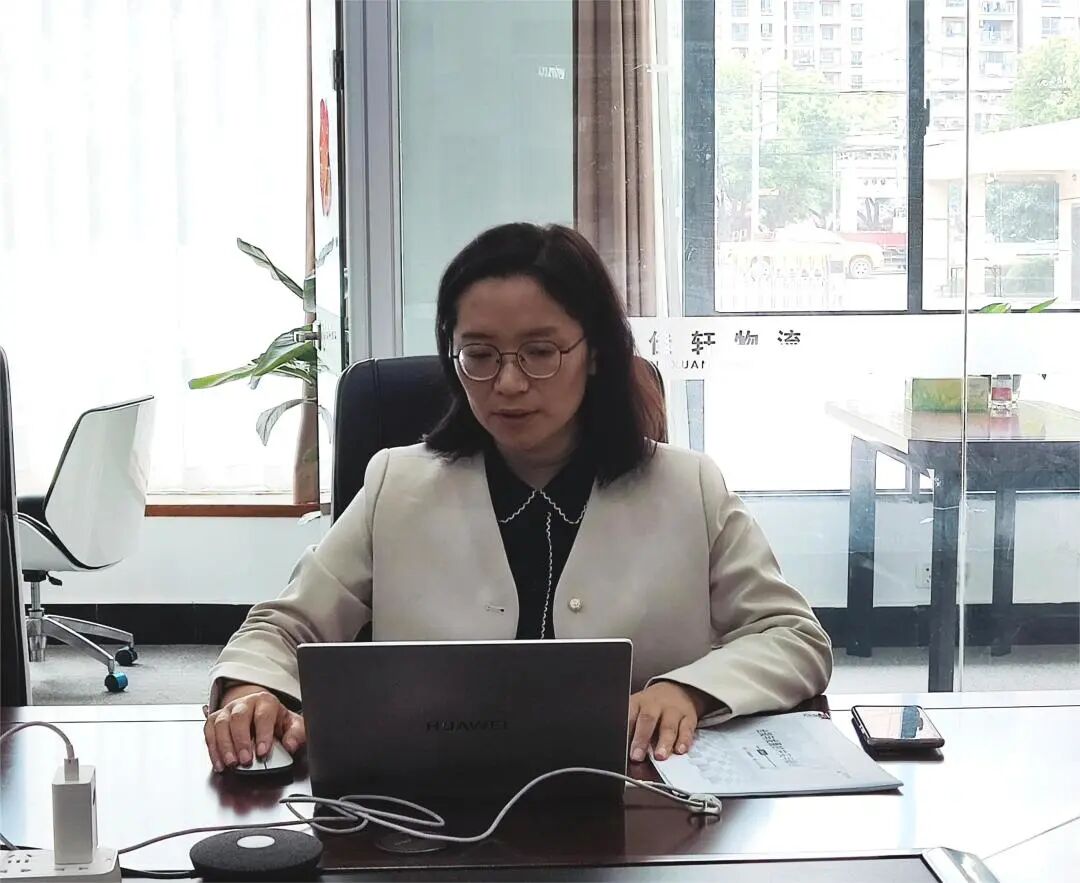
Next, legal counsel Attorney Liu Lijuan conducted a training session titled "The Conflict and Integration of Compliance and Development." She pointed out that compliant operation is the prerequisite and guarantee for business development, aiming to promote the sustainable development of enterprises. Although compliance management consumes a certain amount of time, communication, human resources, and opportunity costs, it can increase customer trust in us and promote business development. She used relevant cases and regulations to demonstrate that compliance management is imperative.
Compliance in Employee Work

Finally, Yu Di from the Legal Department provided an in-depth yet easy-to-understand explanation of legal interpretations related to potential criminal penalties in actual work and production, covering topics such as "theft," "misappropriation of funds," "embezzlement," "bribery of non-state functionaries," and "acceptance of bribes by non-state functionaries." She thoroughly analyzed the compliance risks faced during work and the corresponding avoidance measures.
This compliance training enhanced employees' fundamental understanding of compliance management, guiding them to consciously become adherents and defenders of compliance principles. It solidified the ideological awareness of compliant operation, laying a solid foundation for the company's healthy and long-term development.