
Safety production is a fundamental, foundational, and lifeline project for an enterprise's high-quality development. To continuously strengthen the comprehensive safety governance system, reinforce hierarchical safety responsibilities, deepen all employees' safety literacy, and enhance overall capabilities in risk prediction, hazard rectification, and emergency response, Jiaxuan Group comprehensively deployed, coordinated across all regions, and promoted a closed-loop approach to systematically carry out a series of special initiatives for Safety Production Month in June 2026.
The Group adheres to systematic deployment, refined control, scenario-based implementation, and regular review. Focusing on six key dimensions—warning education, hazard rectification, layered training, skill competitions, emergency drills, and flood season stability—it has comprehensively woven a robust safety production protection network, establishing a stable development framework for the Group with stringent standards and practical measures.
I. Coordinated Planning, Phased Implementation, Building a Closed Loop for Monthly Safety Governance
This month's safety production work adheres to a strategy combining phased intensive efforts with regular long-term governance. It follows a standardized work rhythm of four-week phased advancement, layered responsibility, and final review, ensuring orderly implementation, effective execution, and complete closure of all tasks.
Week 1: Reinforcing Defenses, Initiating Governance. Comprehensive deployment of fire safety warning education and launch of a management-level special hazard investigation campaign to solidify the foundation for monthly safety governance.
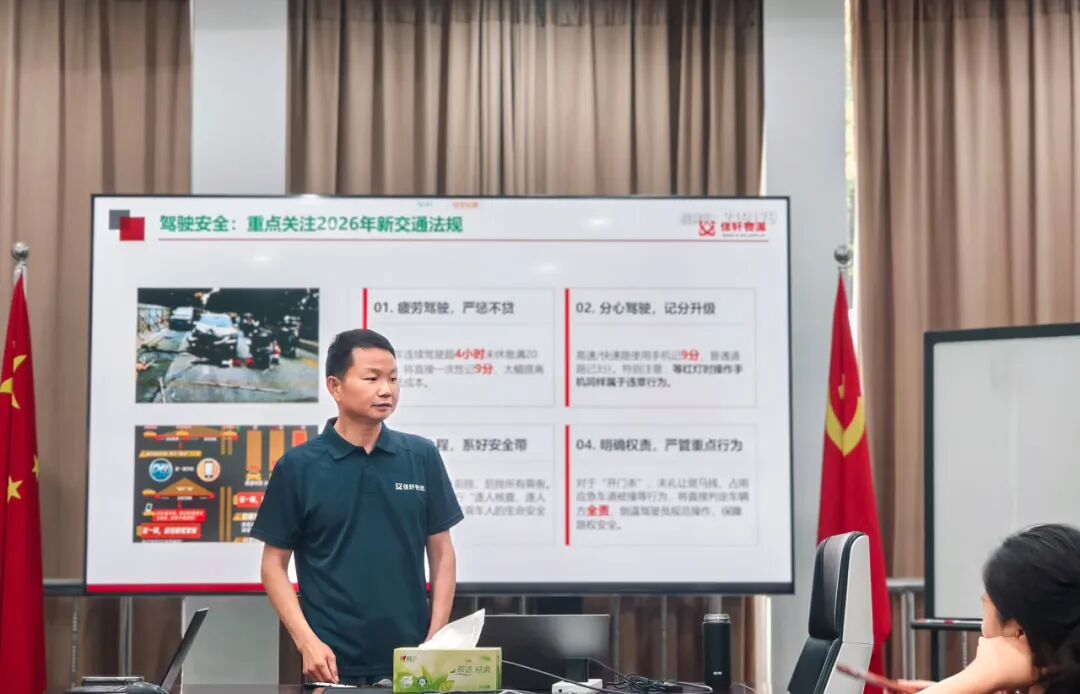
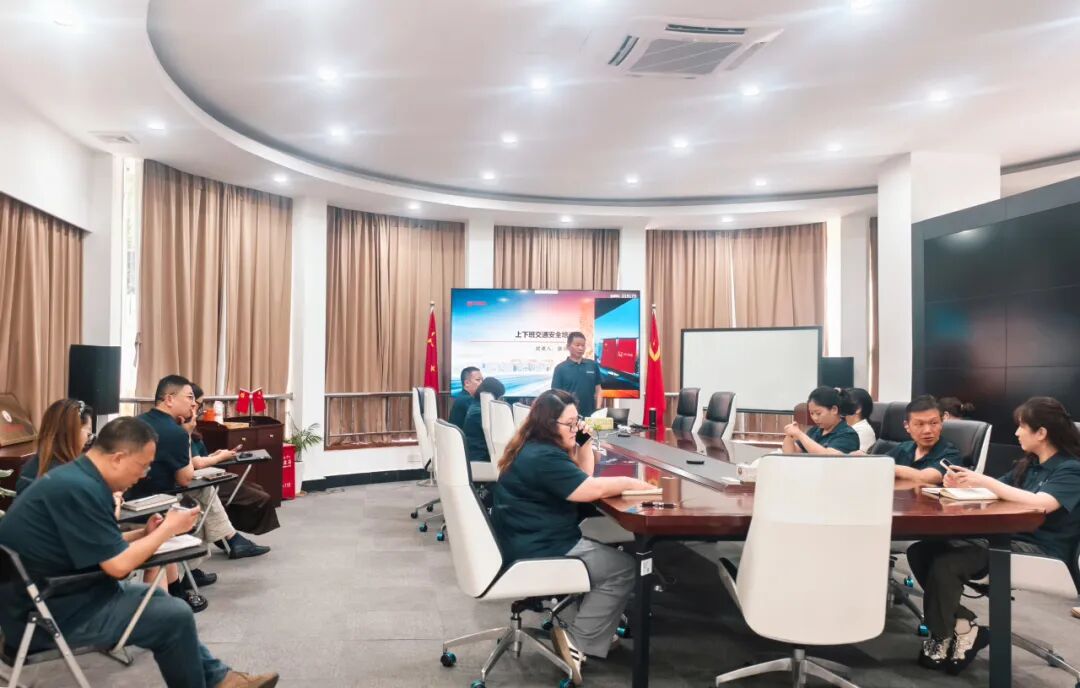
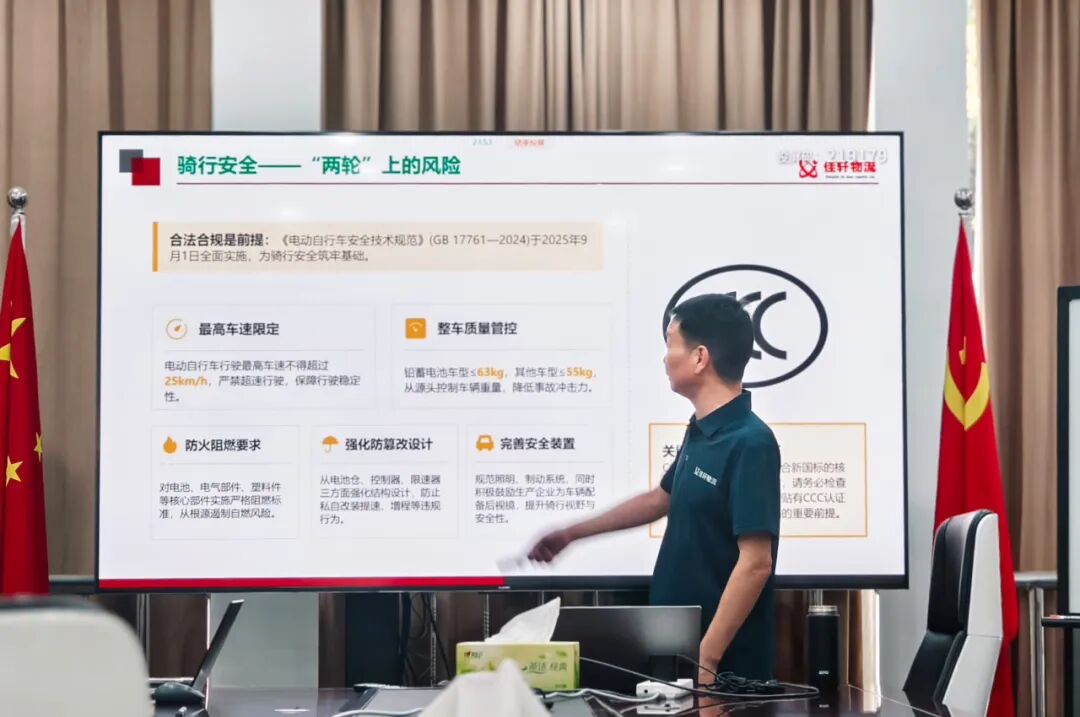
Week 2: Deepening Education, Empowering All Employees. Conducting special traffic safety warnings and implementing multi-scenario, multi-level safety training to comprehensively strengthen on-the-job safety performance capabilities.
Week 3: Learning Through Competition, Training Through Practical Drills. Organizing an all-employee safety & 5S knowledge competition, with all projects simultaneously conducting emergency drills to achieve dual improvement in theoretical grounding and practical refinement.
Week 4: Reviewing for Quality Improvement, Summarizing for Empowerment. Completing monthly data collection, performance review, and incentive evaluations, forming a complete work closed loop of 'Deployment—Execution—Inspection—Rectification—Improvement'.
II. Comprehensive Implementation, Targeted Policies, Solidly Advancing Key Safety Initiatives
(I) Deepening Hazard Investigation and Rectification to Achieve Dynamic Risk Clearance
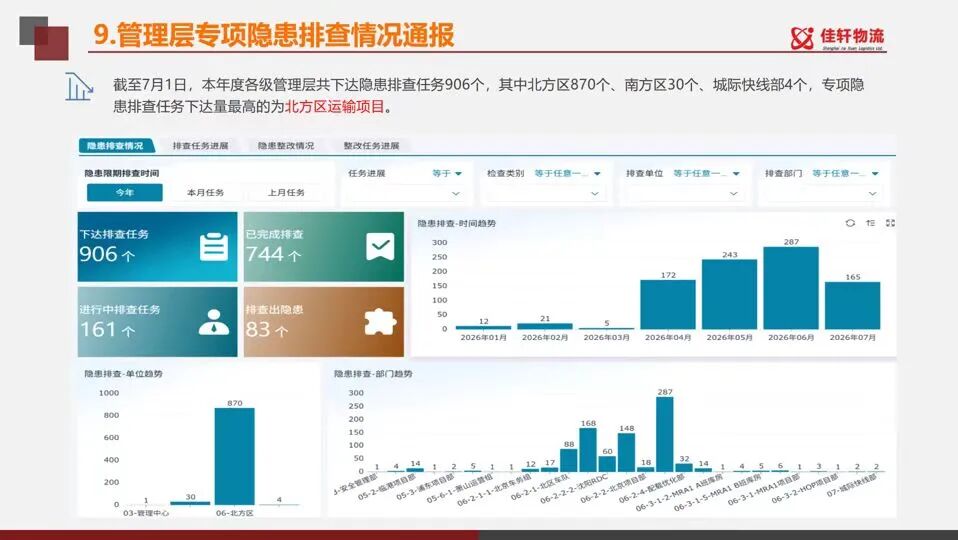
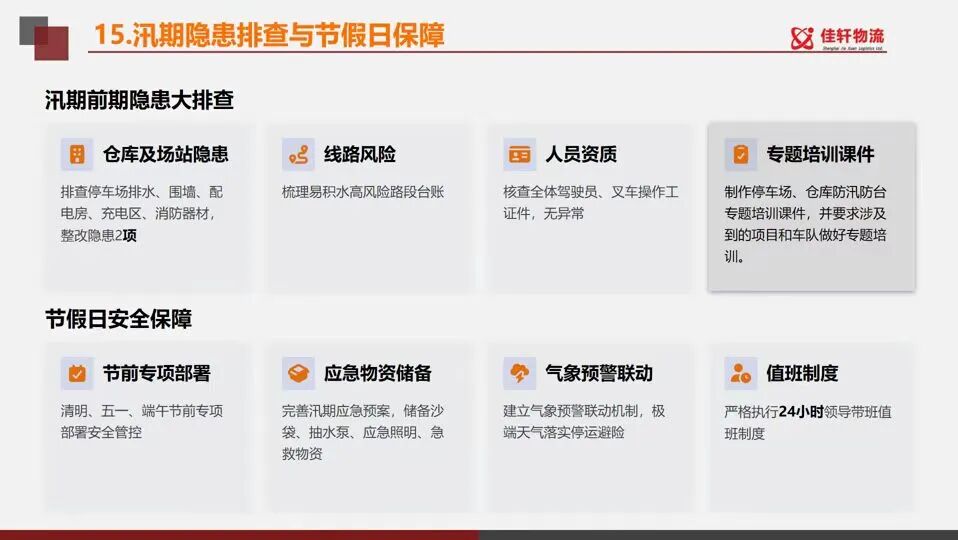
The Group continues to deepen its hazard governance mechanism, led by management, covering all areas and the entire chain of operations. It adheres to regular inspections, checklist-based management, and dynamic rectification to effectively prevent and resolve various risks and hazards in production and operations. This year, the Group has issued 906 hazard investigation tasks, with 744 completed, 161 in progress, and a total of 83 safety hazards investigated and rectified. In June, the total number of investigations reached 287, setting a new annual monthly peak, indicating a continuous escalation in the intensity, frequency, and depth of hazard investigations.
The scope of investigation fully covers all business segments in the Northern Region, Southern Region, and Intercity Express Department, with a key focus on critical areas such as fire safety and drainage at stations, risk assessment of transportation routes, compliance of operator qualifications, and safety control at stations during the flood season. In conjunction with the characteristics of the summer flood season, two station hazard rectifications were specifically completed, and a special ledger for high-risk road sections during the rainy season was established, enabling early prediction, key control, and dynamic updates of flood season risks.
The Group regularly conducts on-site inspections by management. On June 5th and June 12th, special investigations were carried out deep into frontline stations and along transportation routes, adhering to immediate investigation and rectification, and dynamic clearance, resolutely preventing the accumulation of hazards and delayed risks.
(II) Regular Warning Education to Solidify All Employees' Safety Awareness
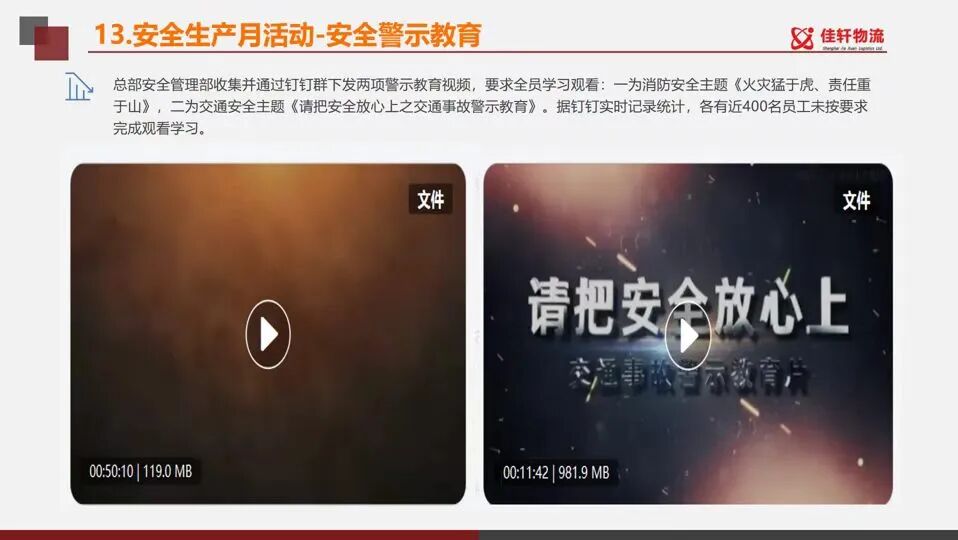
To continuously strengthen all employees' awareness of safety red lines and bottom lines, the Group leverages its digital office platform to uniformly distribute official warning education resources. It uses real cases to alert all employees and profound lessons to reinforce responsibilities, promoting the internalization and practical application of safety concepts. This month, two major themes of warning education content were distributed in layers and batches:
On June 2nd, a special topic on fire safety, 'Fire is Fiercer Than a Tiger, Responsibility is Heavier Than a Mountain,' was released, systematically strengthening fire prevention, fire response, and daily control management at stations.
On June 11th, a special topic on traffic safety, 'Please Prioritize Safety,' was released, focusing on freight transportation, road commuting, and driving avoidance scenarios to standardize all employees' road operation safety behaviors.
All regions and fleets orderly promoted layered supervision, supplementary learning, and retention of records, continuously advancing comprehensive, regular, and long-term warning education.
(III) Layered and Categorized Special Training to Comprehensively Enhance On-the-Job Safety Performance Capabilities
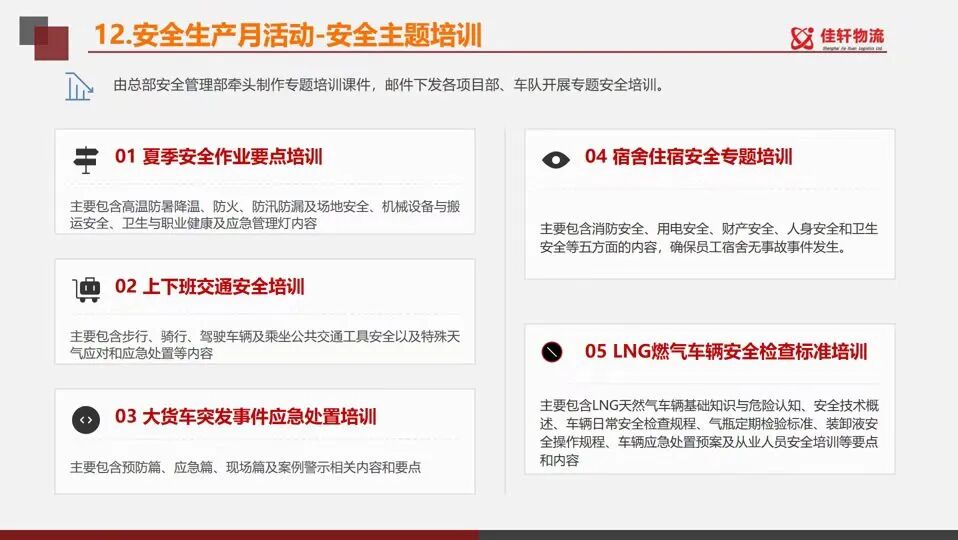
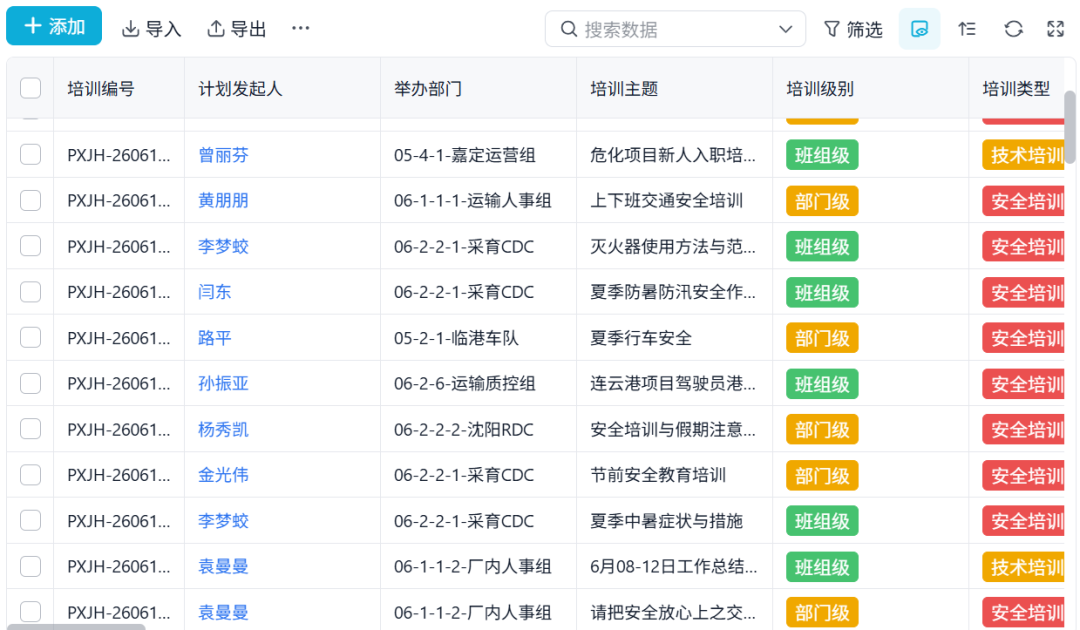
Based on the seasonal characteristics of high summer temperatures, frequent rainfall during the flood season, and complex operational scenarios, the Group uniformly provided standardized training materials. Project departments and fleets independently organized offline layered training, achieving job-specific adaptation, precise scenario targeting, comprehensive employee coverage, and complete record-keeping.
Training comprehensively covered five core job scenarios:
Summer Safety Operations: Heatstroke prevention, flood and leak prevention, standardized handling of site machinery
Commuting Traffic Safety: Emergency response for walking, cycling, and freight vehicle commuting
Truck Emergency Response: Road accident prevention, on-site rescue procedures, warnings from typical cases
Dormitory Accommodation Safety: Electricity and fire safety, personal and property security, dormitory hygiene management
LNG Gas Vehicles: Cylinder inspection, loading/unloading standards, emergency response for vehicle malfunctions
All teams simultaneously conducted regular micro-training and micro-lectures, such as fire extinguisher practical operations and heatstroke emergency protection, promoting a comprehensive upgrade for all employees from 'mastering theory' to 'proficient practical operation and independent emergency response'.
(IV) Strengthening Foundations Through Competition, Comprehensively Solidifying 5S Standardization Management Capabilities
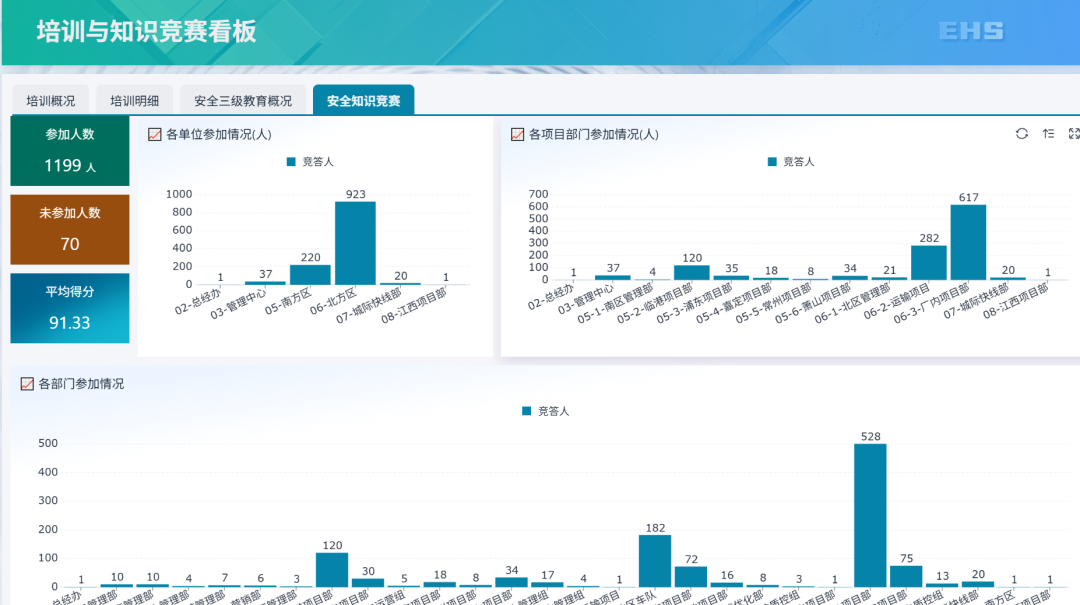
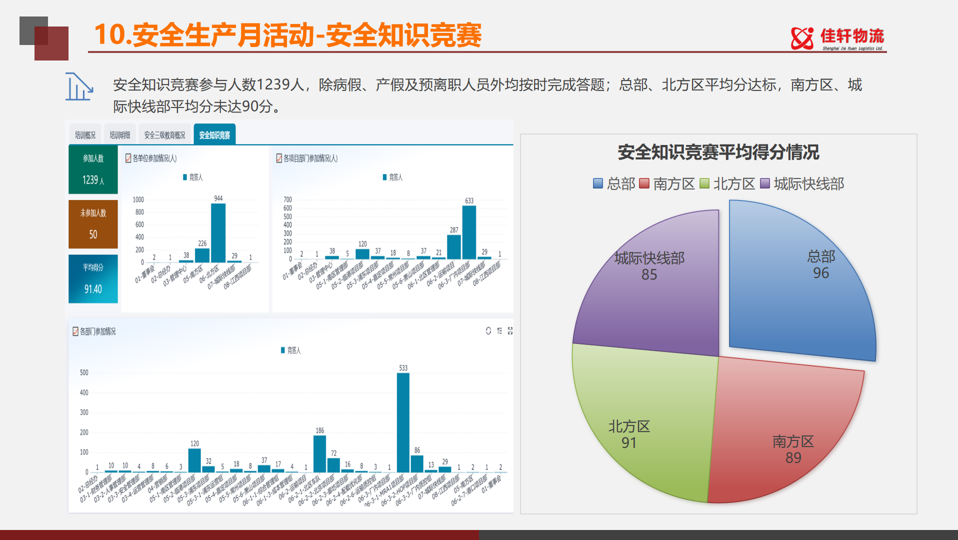
From June 15th to June 18th, the Group organized an all-employee online safety & 5S knowledge competition. Two distinct question banks, one for drivers and one general, were provided based on job attributes, precisely matching job scenarios and fostering a positive safety atmosphere of striving for excellence and continuous improvement.
Out of 1239 employees expected to participate across the Group, 1199 actually competed, with an average score of 91.4. Non-participants were all due to special circumstances such as sick leave, maternity leave, or being off-duty/on standby.
Regional Performance Display:
Headquarters and the Northern Region achieved excellent results, demonstrating solid safety foundations and a strong learning atmosphere.
The Southern Region and Intercity Express Department showed steady improvement in results, continuously strengthening their standardization foundation.
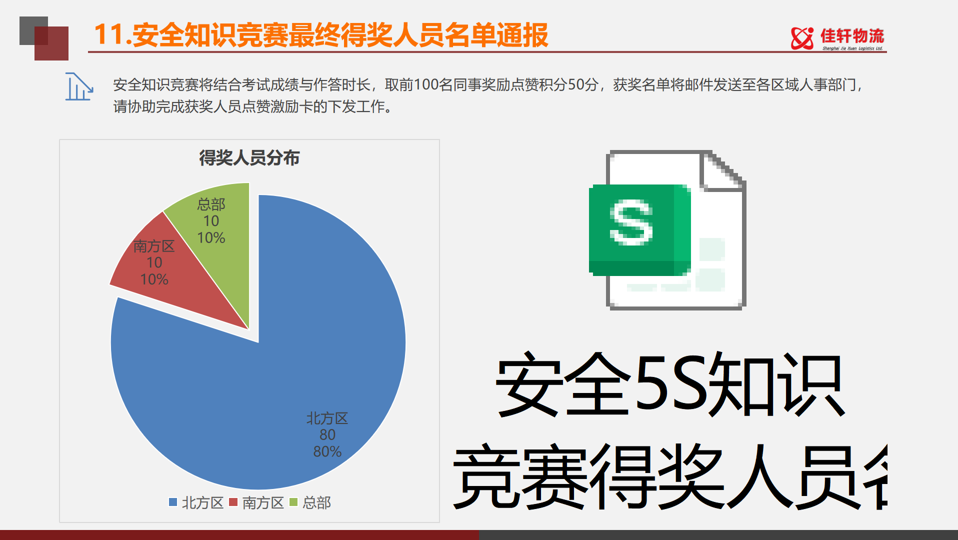
The Group comprehensively evaluated participants based on scores and completion times, selecting and commending the top 100 outstanding individuals. This included 80 from the Northern Region, 10 from Headquarters, and 10 from the Southern Region. All incentives were implemented, effectively stimulating employees' intrinsic motivation to actively learn about, understand, and adhere to safety protocols.
(V) Practical Emergency Drills, Forging Frontline Emergency Response Skills
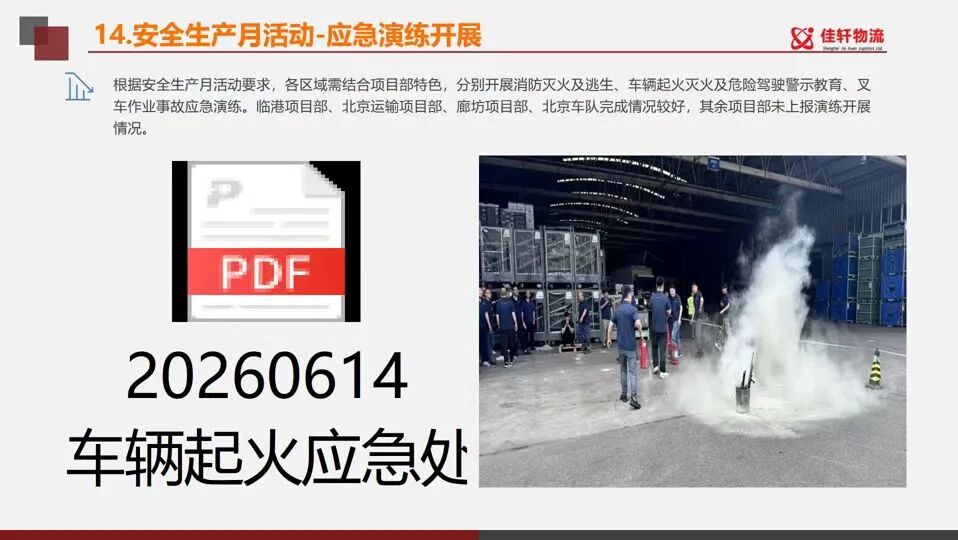
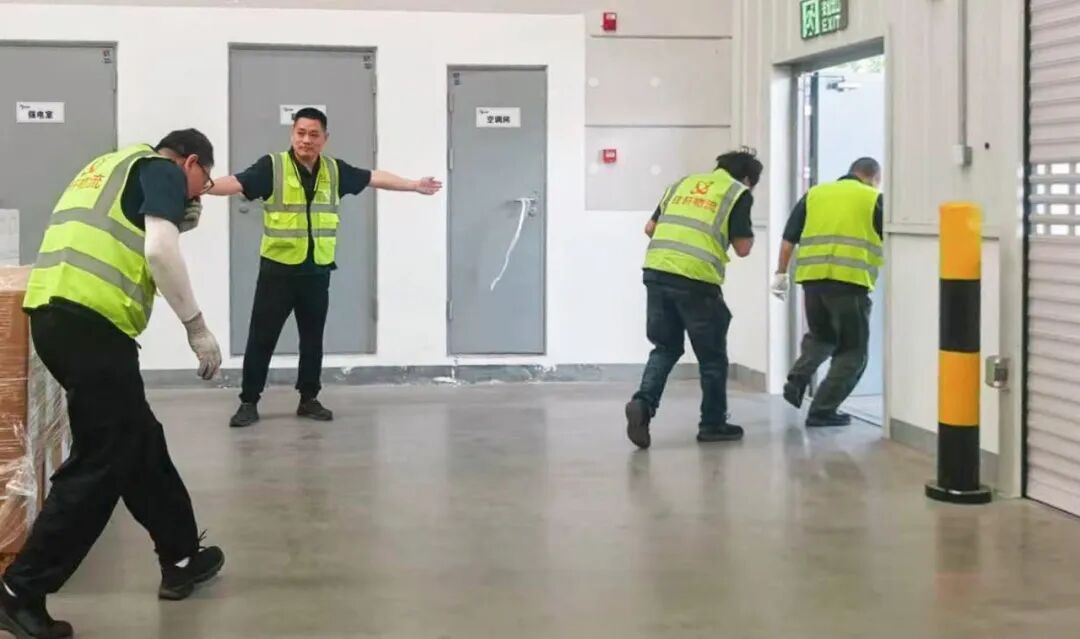
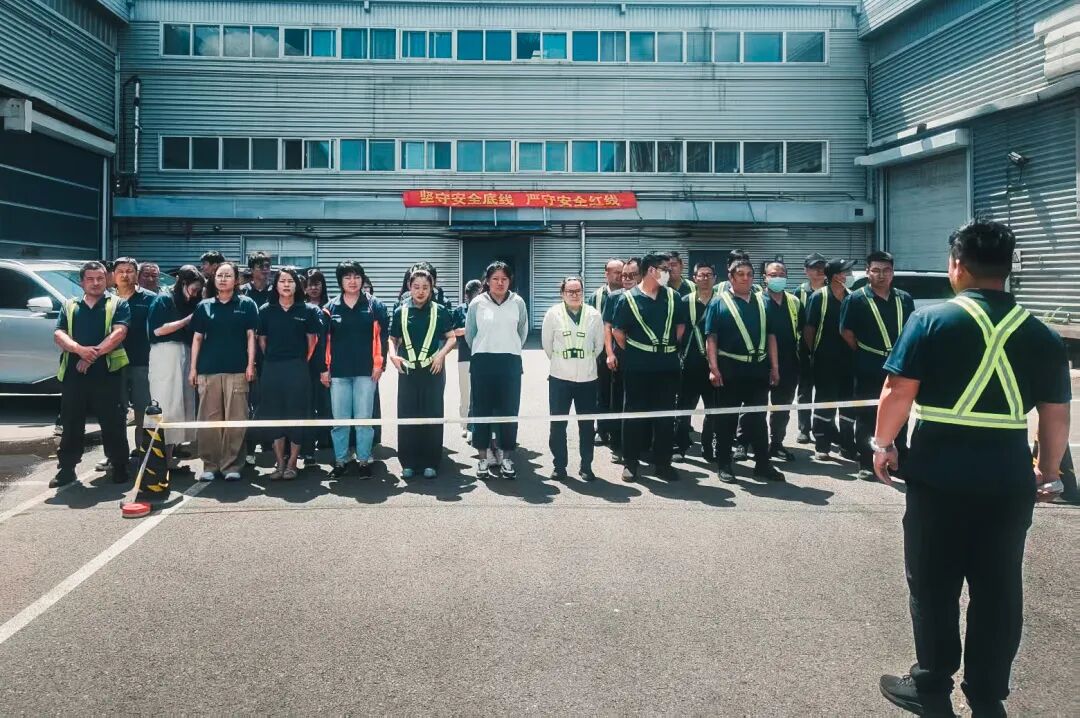
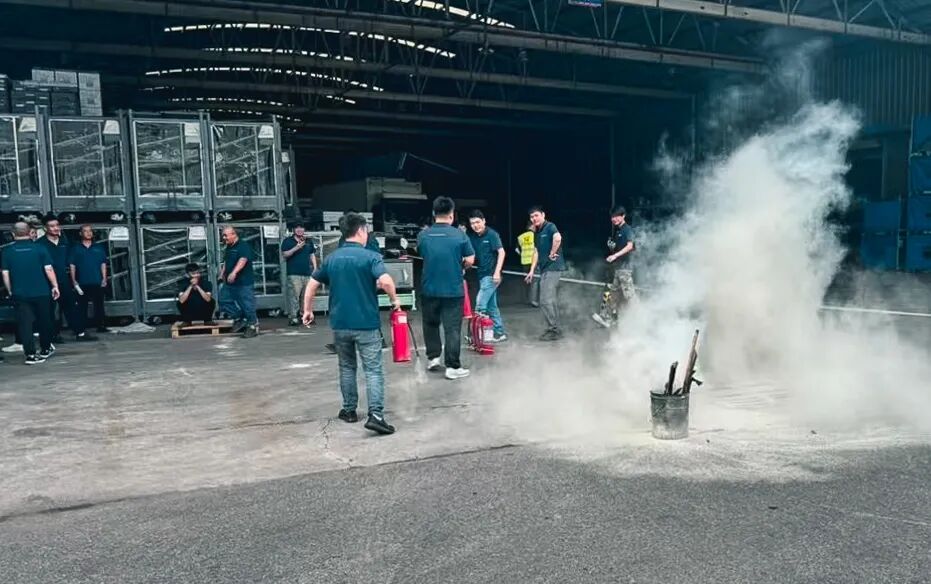
Focusing on the Group's high-frequency operational risks and key emergency scenarios, this month saw concentrated offline emergency drills covering multiple subjects, including fire extinguishing and escape, vehicle fire response, warnings for dangerous truck driving, and forklift operation accident emergencies.
The Group uniformly issued the 'Vehicle Fire Emergency Response' standardized guidance document, standardizing drill procedures, response standards, and archiving requirements.
Project departments such as Lingang, Beijing Transportation, Langfang, and Beijing Fleet have successfully completed the full set of drills with high quality, achieving standardized procedures, visualized processes, complete documentation, and traceable results, effectively enhancing frontline teams' practical capabilities in on-site response, collaborative rescue, and rapid loss mitigation.
(VI) Strengthening Flood Season and Holiday Control, Maintaining Safety Bottom Lines During Special Periods
Addressing the superimposed risks during the summer flood season and holidays, the Group adheres to pre-deployment, pre-stocking, and pre-control measures, comprehensively building a stable safety barrier for special periods.
Flood Season Safety Assurance: Sufficiently stocking flood prevention materials such as sandbags, water pumps, and emergency lighting; strictly implementing a 24-hour leadership on-duty system; establishing a linkage mechanism between weather warnings and operational suspensions; and scientifically handling emergencies such as heavy rain, waterlogging, and extreme weather.
Holiday Safety Control: Completing safety deployments for the Qingming, May Day, and Dragon Boat Festival holidays in advance; comprehensively re-verifying the qualifications of key personnel such as drivers and forklift operators, ensuring all employees are certified, qualified, and have zero hazards on duty.
III. Benchmarking and Quality Improvement, Continuously Deepening the Effectiveness of Comprehensive Safety Governance
Based on the effectiveness of the monthly comprehensive safety work and a review against industry standardization management norms and benchmark governance levels, the Group consistently adheres to a management philosophy of seeking progress while maintaining stability, optimizing for quality, and continuous refinement. While fully solidifying existing positive achievements and maintaining a continuously stable safety situation, it continues to promote the iterative upgrade of its safety governance system towards refinement, homogenization, and high quality.
Currently, the Group's comprehensive safety production operations are stable and orderly, risks are controllable, and the system is efficient and closed-loop. To continuously raise management standards, strengthen grassroots foundations, and unify regional governance standards, the Group continues to deepen and enhance efficiency across four dimensions: In terms of all-employee literacy cultivation, it continuously improves the regular and institutionalized safety education system, guiding employees' safety awareness to evolve from 'passive compliance' to 'active responsibility', and continuously fortifying the ideological safety defense line;
In terms of practical capability building, it continuously promotes the standardization and regularization of frontline emergency drills, unifying process standards and standardizing operational actions, comprehensively enhancing the hard capabilities of all projects in on-site emergency response;
In terms of regional collaborative governance, it continuously coordinates the management pace of various business segments and regions, promoting the simultaneous, consistent, and synchronized improvement of safety management in the northern and southern regions, achieving balanced development across all areas;
In terms of refined basic control, it continuously deepens 5S standardization construction, essential safety knowledge for positions, and scenario-based risk prediction and control, solidifying the Group's underlying foundation for safety production through refined management.
The Group consistently benchmarks, iterates, and improves itself with high standards, safeguarding the long-term stable and positive safety production situation of the enterprise with continuously refined governance capabilities.
IV. Targeted Empowerment, Closed-Loop Quality Improvement, Building a New Long-term Safety Governance Framework
Focusing on the overall goal of upgrading the Group's safety governance and combining the directions for refinement identified in this monthly review, the Group continues to reinforce hierarchical responsibilities, refine control measures, and strengthen targeted empowerment, comprehensively improving the long-term safety management mechanism.
First, deepening closed-loop management of all-employee education.Continuously refining supervisory responsibilities in each region, regularly advancing safety learning and warning education, ensuring effective supplementary learning and review, and archiving records to achieve comprehensive, blind-spot-free, and long-term all-employee education.
Second, unifying grassroots practical training standards.Continuously standardizing the implementation process of emergency drills in all projects, filling in detailed gaps in practical training, and unifying document archiving standards to promote a consistent improvement in all employees' practical capabilities.
Third, strengthening targeted empowerment in weaker regions.Conducting targeted special training and review guidance for foundational improvement, solidifying capabilities in standardized operations, basic safety knowledge, and on-site risk control, thereby promoting overall quality improvement in regional management.
Fourth, promoting balanced advancement in comprehensive governance.Continuously optimizing mechanisms for regular self-inspection, special supervision, and random checks across all regions, narrowing regional management gaps, and achieving comprehensive, standardized, regulated, and high-quality safety management across the Group.
V. Work Summary
The path to safety is steady and far-reaching; the effort of governance lies in its persistence.
The series of initiatives for Safety Production Month in June 2026 further improved Jiaxuan Group's comprehensive safety production governance system, characterized by regular education, dynamic investigation, systematic training, practical drills, and refined control, effectively resolving various phased, seasonal, and scenario-specific safety risks.
Moving forward, Jiaxuan Group will continue to move beyond a mindset of phased special rectifications, fully embracing a safety development philosophy of regular governance, systematic control, and high-quality operation and maintenance. It will continuously reinforce and implement primary safety responsibilities at all levels, cultivate grassroots foundations, iterate governance systems, and refine control capabilities, safeguarding the bottom line of safety development with higher standards, stricter measures, and a more practical approach, comprehensively ensuring the Group's overall business development remains stable, improves in quality, and achieves long-term success.